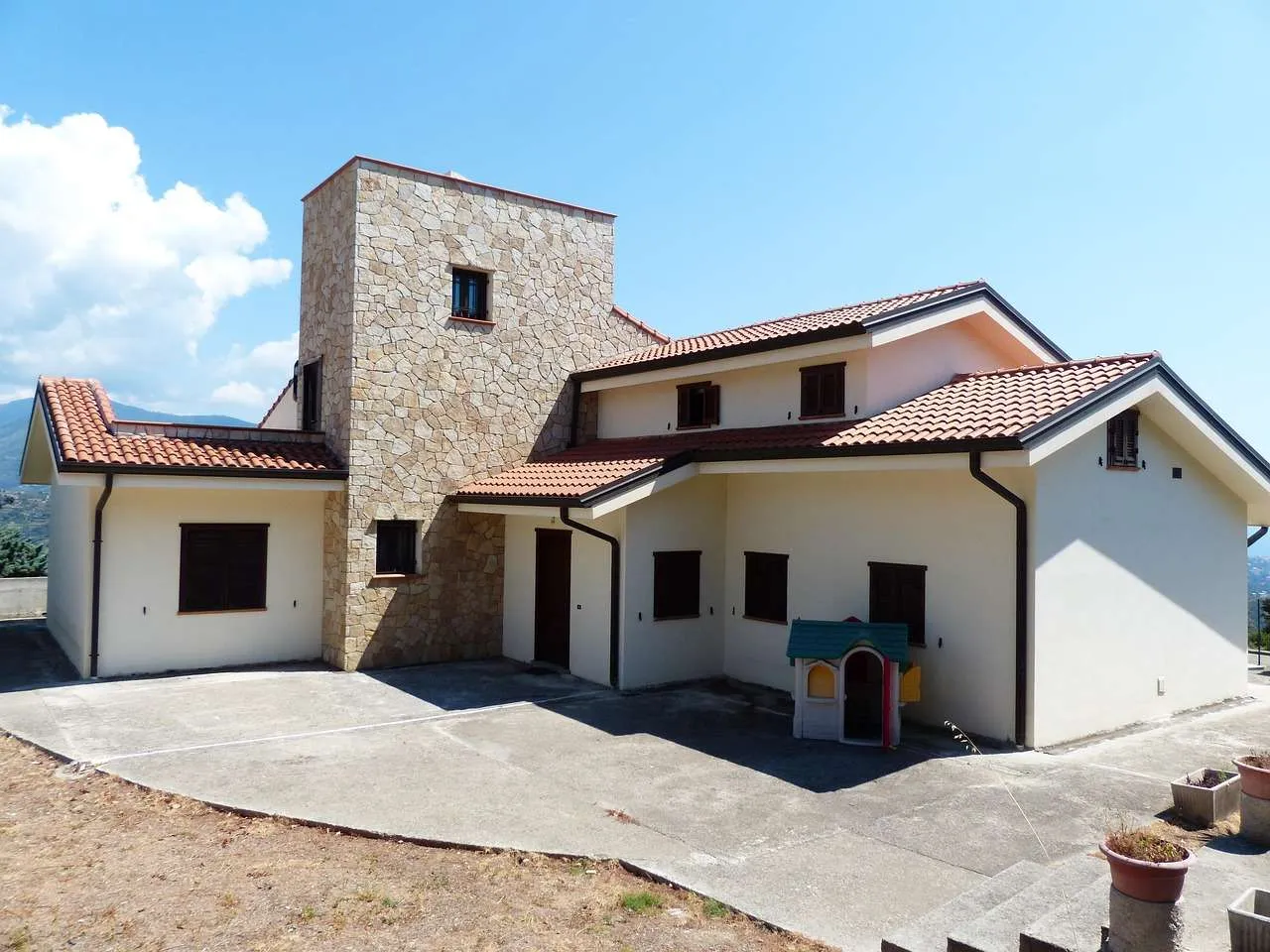
With over a decade of experience in the roofing trade, this guide on repair of roofing provides practical, safety oriented guidance for homeowners. The goal is to help you diagnose common issues, decide when to DIY and when to hire a professional, and understand cost and maintenance considerations. This article follows best practices for reliability, accuracy, and trustworthiness to align with EEAT principles.
Understanding Common Roofing Problems
Roofs endure harsh weather and constant exposure. Common problems include damaged shingles that allow water entry, worn flashing around chimneys and vents, and ice damming in cold climates. Punctures from hail or fallen tree limbs create localized leaks that can propagate if not addressed. Granule loss on asphalt shingles signals aging and reduced UV protection, while sagging sections may indicate structural issues or poor attic ventilation. Regular inspections, especially after storms, help catch problems before they escalate.
Recognizing the source of a leak is crucial. Water can travel along rafters and appear several feet from the actual entry point. Look for dark staining, spongy decking, or mold on ceilings. If you see daylight through roof boards, that is a sign the roof deck is exposed and requires immediate attention. A seasoned roofer can verify flashing integrity, shingle condition, ventilation adequacy, and drainage performance to prevent recurring leaks.
DIY vs Professional Roof Repair
DIY repair can be feasible for small, non load bearing sections and when safety gear is readily available. However, roofing work carries significant fall risks and often involves working on uneven surfaces, steep pitches, and electrical hazards near vents. Warranties and building codes frequently require professional installation or repair for certain materials or leak fixes. Inexperienced repairs may lead to further damage or void manufacturer warranties.
When considering DIY, assess your skill level, the roof pitch, and the presence of extensive damage. If you notice warped decking, widespread leaks, structural sag, or if you must access the roof during winter conditions, it is wise to call a professional. A licensed contractor ensures proper insulation, flashing replacement, and adherence to local code requirements, which protects you from liability and long term costlier repairs.
When to DIY
- Small, superficial repairs on a low pitch roof
- Temporary patching with roof cement for short term protection
- On a dry day with proper fall protection and the right tools
When to Hire a Professional
- Compound leaks, multiple problem areas, or structural concerns
- Visible damaged flashing or deteriorated decking
- Installation of underlayment and proper venting is required
- Warranties and insurance coverage must be validated
Steps for Safe Roof Repair
Begin with a careful assessment from ground level or with a safe ladder setup. Use binoculars or a rooftop safety harness if you must inspect closer. Identify the source of leaks, assess the extent of water damage, and gather quality materials before you start. When patching, apply a temporary seal to prevent further intrusion while preparing a permanent solution. Always wear fall protection equipment and never work on a wet or icy roof.
For a temporary fix, you can reseal small gaps with roofing cement and reinforce lightweight patches with compatible materials. For a permanent repair, replace damaged shingles and compromised flashing, repair any decking rot, and ensure the underlayment is intact. After repairs, clear debris, verify gutter drainage, and inspect for any additional signs of leakage after a rain event.
Materials and Costs
Materials vary by roof type, but common items include shingles, flashing, underlayment, sealants, and fasteners. Cost depends on roof size, accessibility, and labor rates. On average, homeowners pay for both materials and labor, typically ranging from moderate to high for complex or steep roofs. When budgeting, include potential attic vent improvements, fascia repair, and any necessary deck replacement. Professional repairs may incur travel fees for remote locations, but they can provide warranties and prompt service in case of recurring leaks.
Maintenance to Extend Roof Life
- Schedule annual inspections, especially after hail or heavy wind
- Clean gutters and downspouts to prevent water backup
- Keep tree branches trimmed away from the roof surface
- Address moss or algae growth promptly to prevent moisture retention
- Ensure attic ventilation supports drying and reduces condensation
Choosing a Roofing Contractor
When selecting a contractor, verify licensing and insurance, request written estimates, and review prior project references. Look for manufacturers certifications and a solid warranty policy. Ask about cleanup, disposal of old materials, and post repair inspection. A credible contractor should provide a detailed scope of work, materials list, scheduled timeline, and a clear payment schedule. Trustworthy communication and transparent pricing are as important as technical skill.
Comparison Table
| Option | Pros | Cons | Best For |
|---|---|---|---|
| DIY Roof Repair | Low immediate cost, learning experience | Safety risk, potential for more damage, limited warranty | Small, simple fixes on safe, low pitch roofs |
| Professional Roof Repair | Expert diagnosis, proper flashing, warranty, code compliance | Higher upfront cost, scheduling lead times | Leaks beyond simple patches or structural concerns |
Summary
Conclusion, repair of roofing requires accurate diagnosis, safety minded execution, and clear decisions between DIY and professional service. Understanding common problems, evaluating risks, and budgeting for materials and labor helps protect your home. Prioritize proper flashing, waterproof underlayment, and ventilation to prevent recurring leaks. By following a structured approach and choosing a reputable contractor when needed, you can extend the life of your roof and maintain a safer, more energy efficient home for years to come.